Marketing a Masquerade: A Master Study in Viral Social Media Campaigns
In April 2025, my TikTok For You Page was flooded with videos commenting on a cryptic Instagram account that posted locations of “Phantom of the Opera” memorabilia around New York City. These masks and mirrors were not random giveaways or a mere tribute to the show, but rather the beginning of an immersive marketing campaign for the reimagined “Phantom of the Opera” Off-Broadway experience, “Masquerade.”
As a social media manager and avid “Phantom of the Opera” fan, I quickly took an interest in this cryptic campaign as it went viral. But since I don’t live in NYC and couldn't actively seek out the immersive installations, I relied on user-generated and influencer content covering the action. And this was part of the campaign’s genius.
Act 1: The Clues
The campaign began with Instagram stories, showing no-fill images of locations around New York City with masks tied to light posts, mirrors bearing “Phantom of the Opera” quotes, and marquees of iconic Broadway theaters. The mystery of the Instagram stories invited locals to seek out the locations and call the phone number on the tag, which played an audio of the “Masquerade” song, teasing the new show.
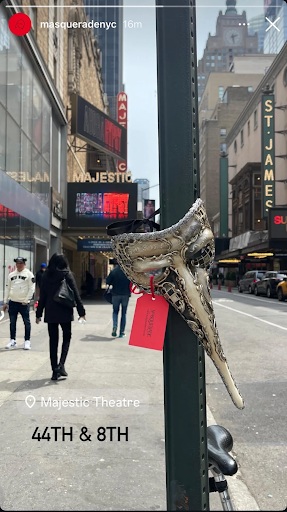
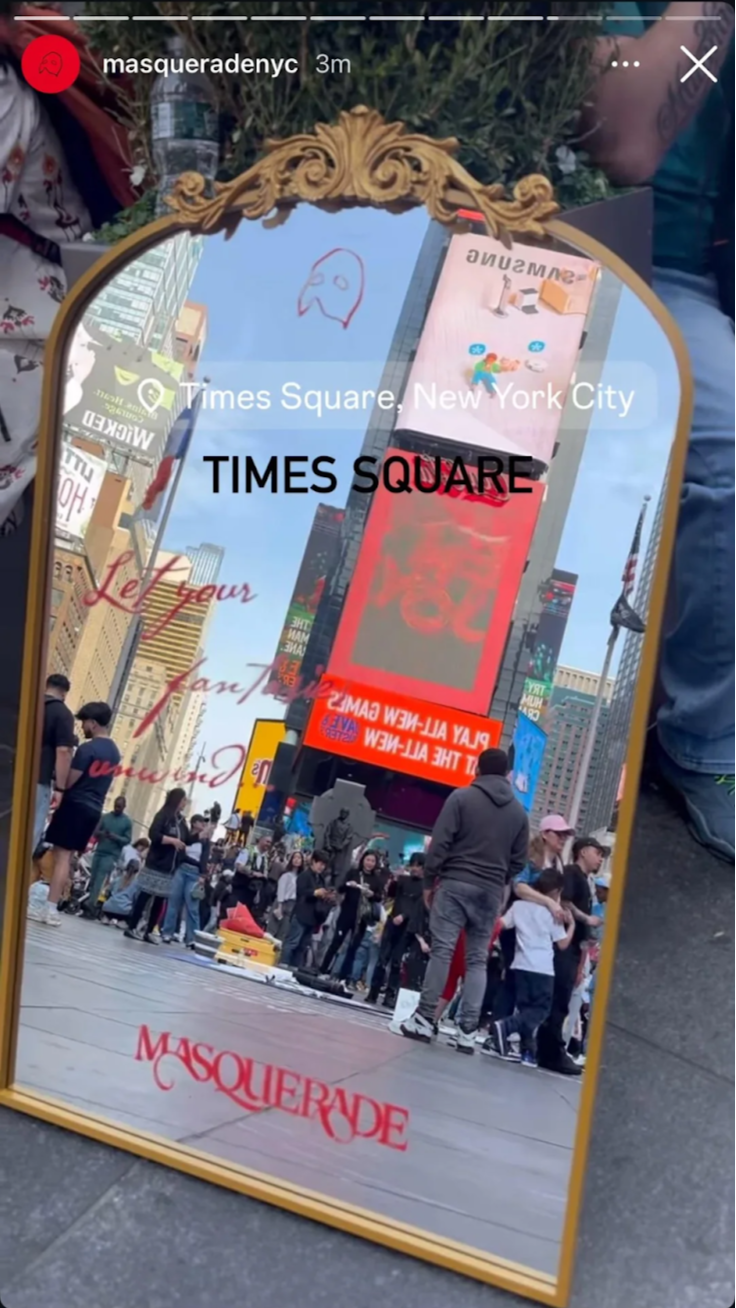
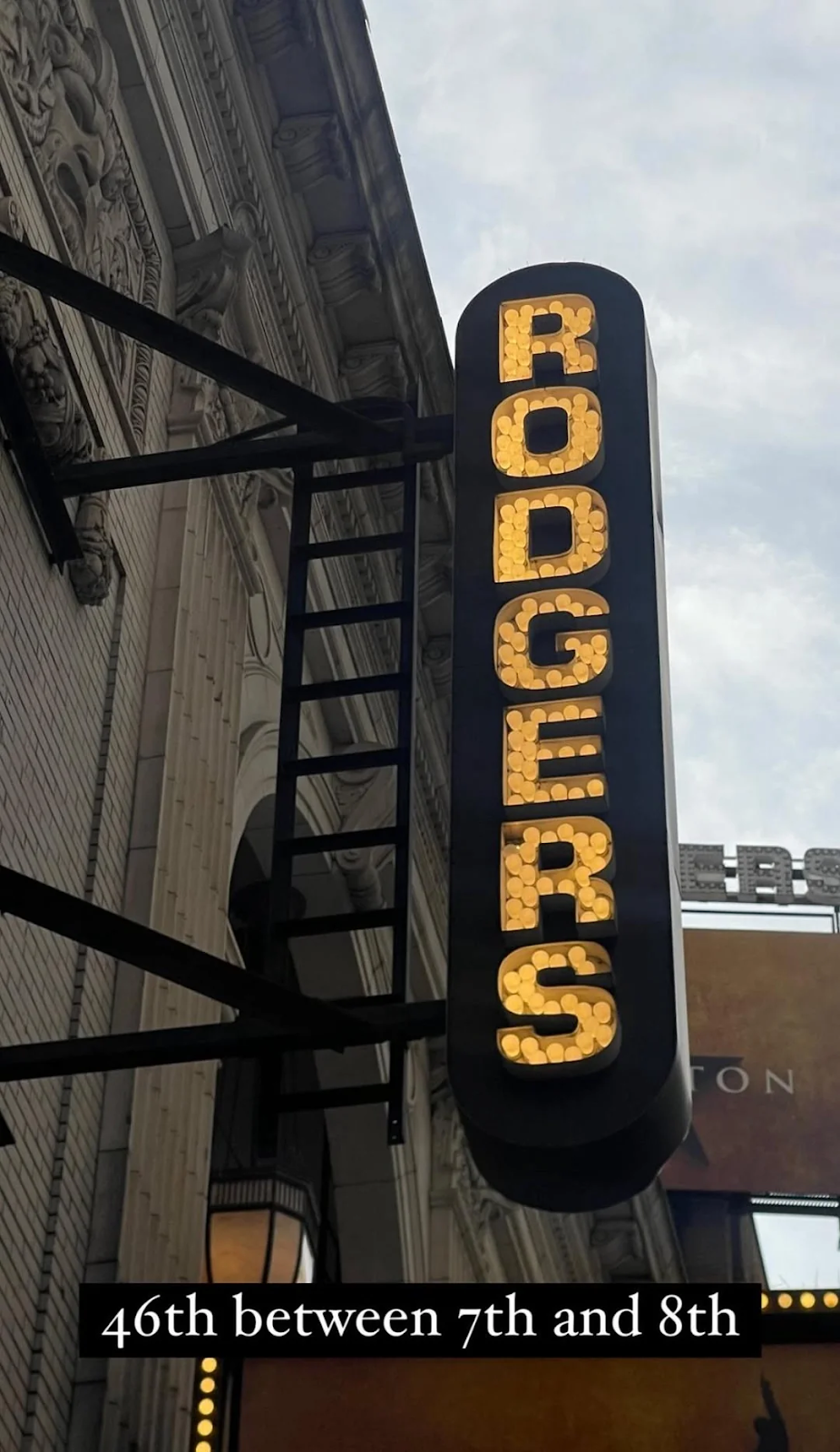
Images from @masqueradenyc’s Instagram story
Act 2: The Contests
Here, the campaign truly began to shine as the mystery bled into reality, mimicking the theatrical experience they were promoting. Still using Instagram, the account began sharing stories of addresses in New York City with accompanying passwords. The first led to a newsstand with lottery ticket giveaways, offering prizes ranging from masks to a grand-prize tour of the immersive theatre. Another contest, shared over Instagram stories, drew patrons to an ice cream truck with free giveaways, while yet another invited people to sign up for a mask fitting with the “Opera Ghost” himself. A final contest invited content creators to an exclusive experience inside the original Broadway theater where “The Phantom of the Opera” ran for 35 years.
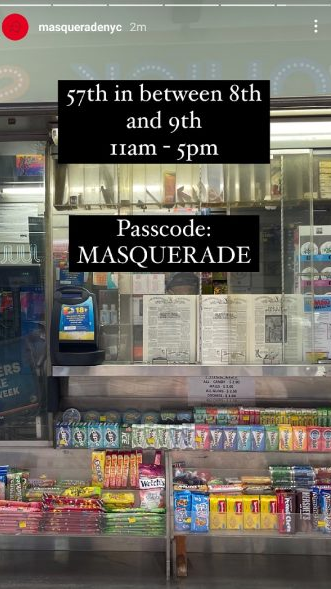
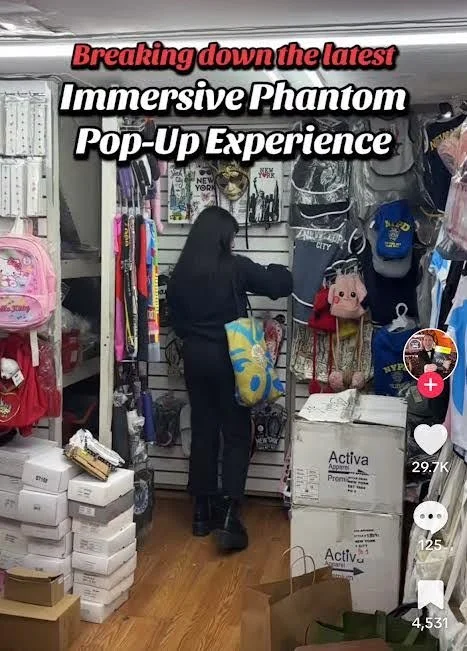
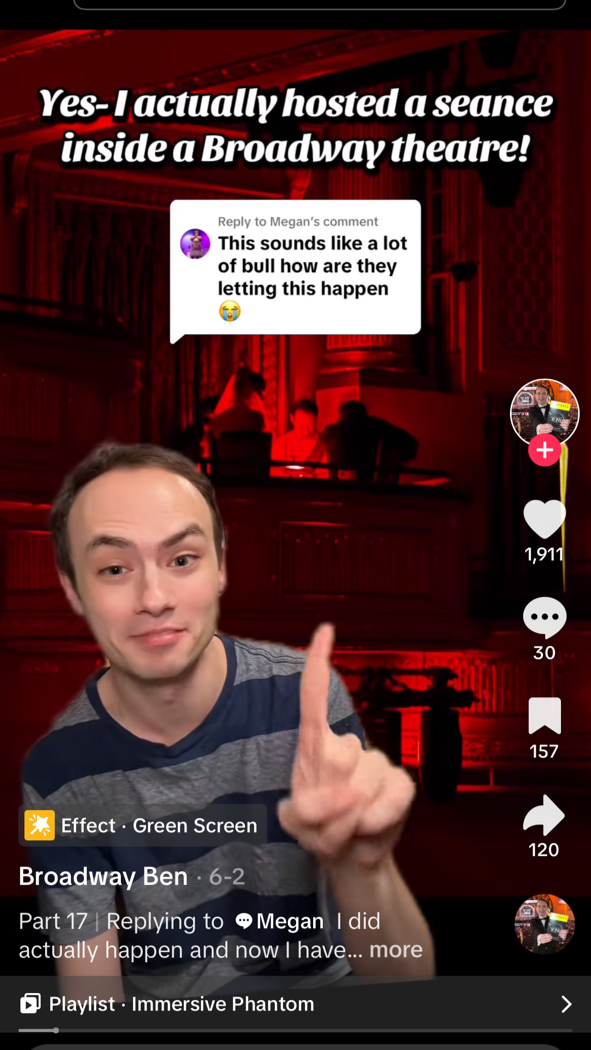
Images from @masqueradenyc’s Instagram story and @broadwayben’s TikTok
The Epilogue
The campaign ultimately set up the official announcement of the “Masquerade” show and an invitation to “sign the ledger” (the Phantom’s email list) for upcoming ticket information.
But what the campaign did incredibly well was rely on user-generated content to create buzz for the entire event. As I mentioned, I wasn’t in New York, but I still felt as though I had insider access to the exclusive experience by watching theatre influencers cover the action. Through creators such as Broadway Ben, I pieced together the story as they were on the ground, seeking out each installation and interviewing the contest winners who were granted a view “behind the curtain.”
Overall, the entire experience seamlessly integrated with “Masquerade’s” brand and “The Phantom of the Opera” story. They achieved this through:
Effective, cryptic social media. This modern form of communication played into the mystery and suspense but remained consistent with the experience's brand. The account shared just the right amount of information on social media to create intrigue and let the audience do the rest.
Immersive experiences. The immersion, moving beyond social media into the streets of NYC, set the stage for the show's immersive nature, giving the audience a glimpse of the theatrical experience that awaits.
Storytelling through influencer marketing. Online, digital word of mouth created an urban legend through the storytelling of individual creators and discussions on Reddit. The brand relied on individual creators and the public’s curiosity to drive the campaign's virality. Since I did not witness any of the physical marketing installations firsthand, I honestly couldn’t be entirely sure what was true or what was dramatically fabricated. But it didn’t matter. Through the digital relay of information, I witness the creation of a legend.
While we’re not all marketing theatrical experiences, there are still practical takeaways we can apply to promote our own brands.
Know your audience. Clearly identify your audience and what they would find engaging. This knowledge lays the foundation for your campaign, and the market research that informs it is invaluable to your marketing success.
Play into the narrative. What is the identity of your brand? Completely commit to that identity in your online presence to seamlessly integrate your brand online.
Influencers add credibility to the experience. 86% of consumers make an influencer-inspired purchase at least once per year. It doesn’t have to be a celebrity—in fact, most influencers on TikTok have under 10,000 followers—but someone within your niche, who is known for honesty, can add credibility. These “nano-influencers” might have a smaller follower base, but they actually have a higher engagement rate (10.3%) than TikTok’s mega-influencers (7.1%) and can help you target your exact audience.
Get creative. You don’t need a huge budget to make a lasting impression. Taking risks and thinking outside the box can allow smaller budgets to have big impacts.
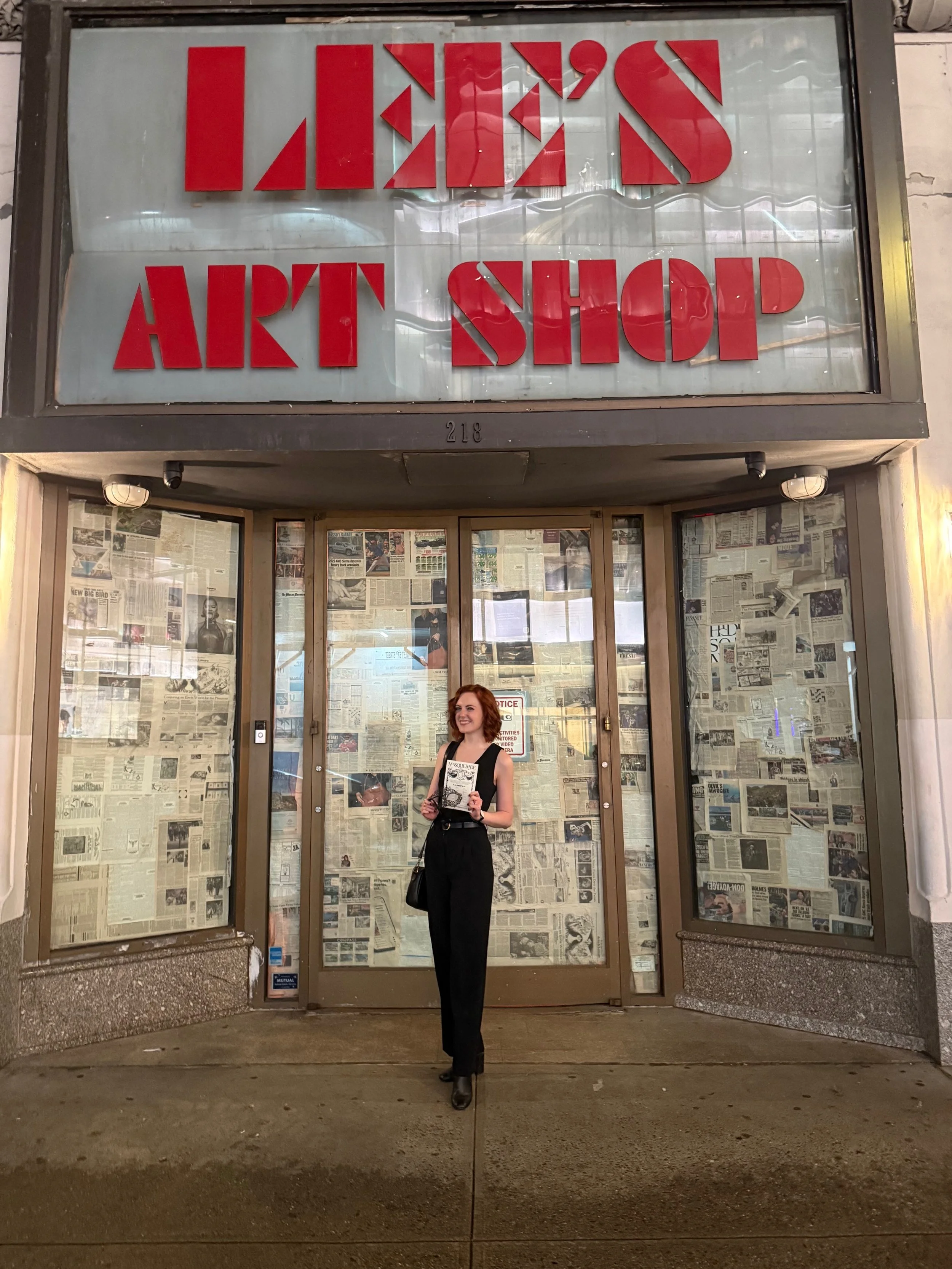
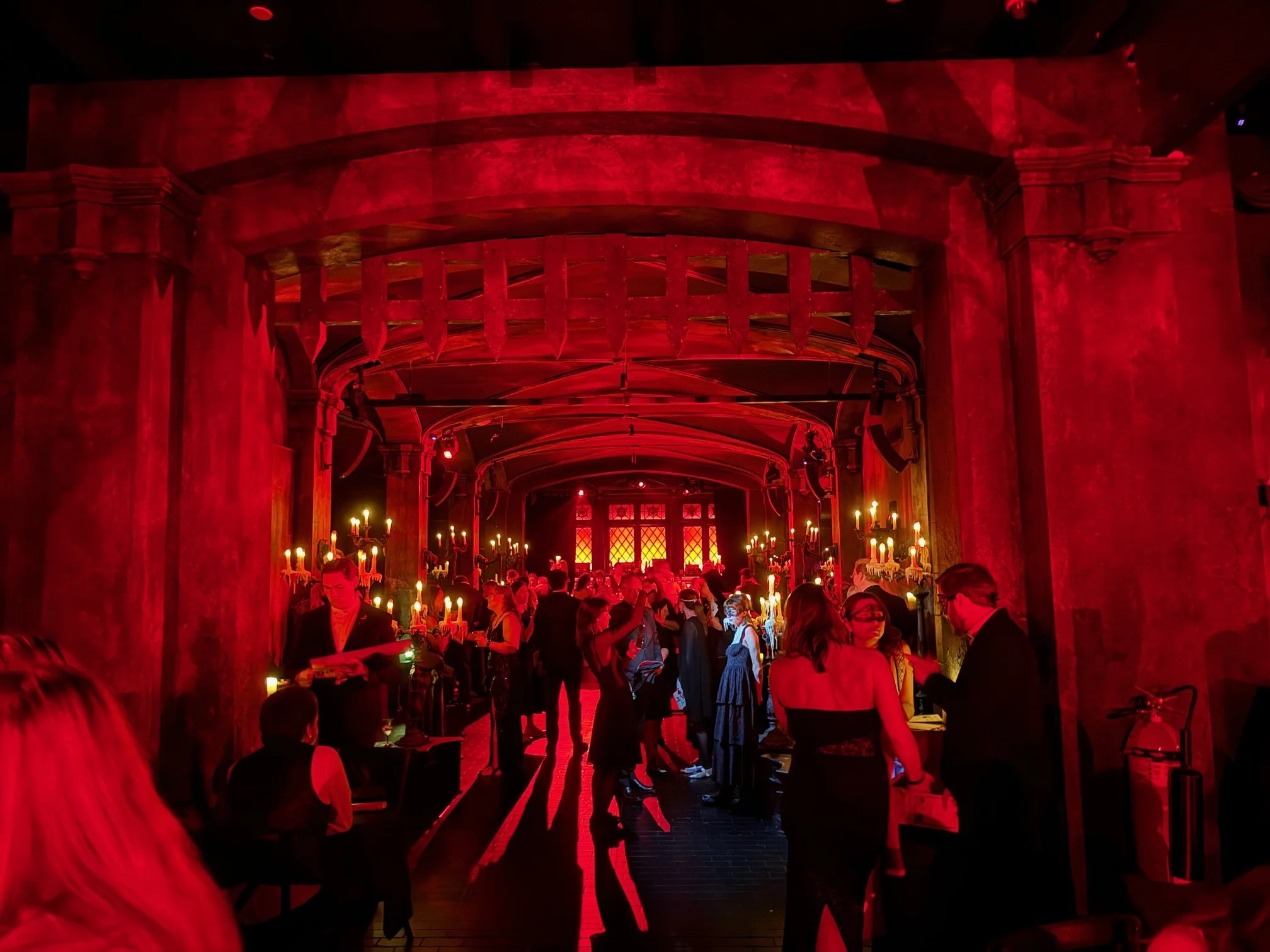
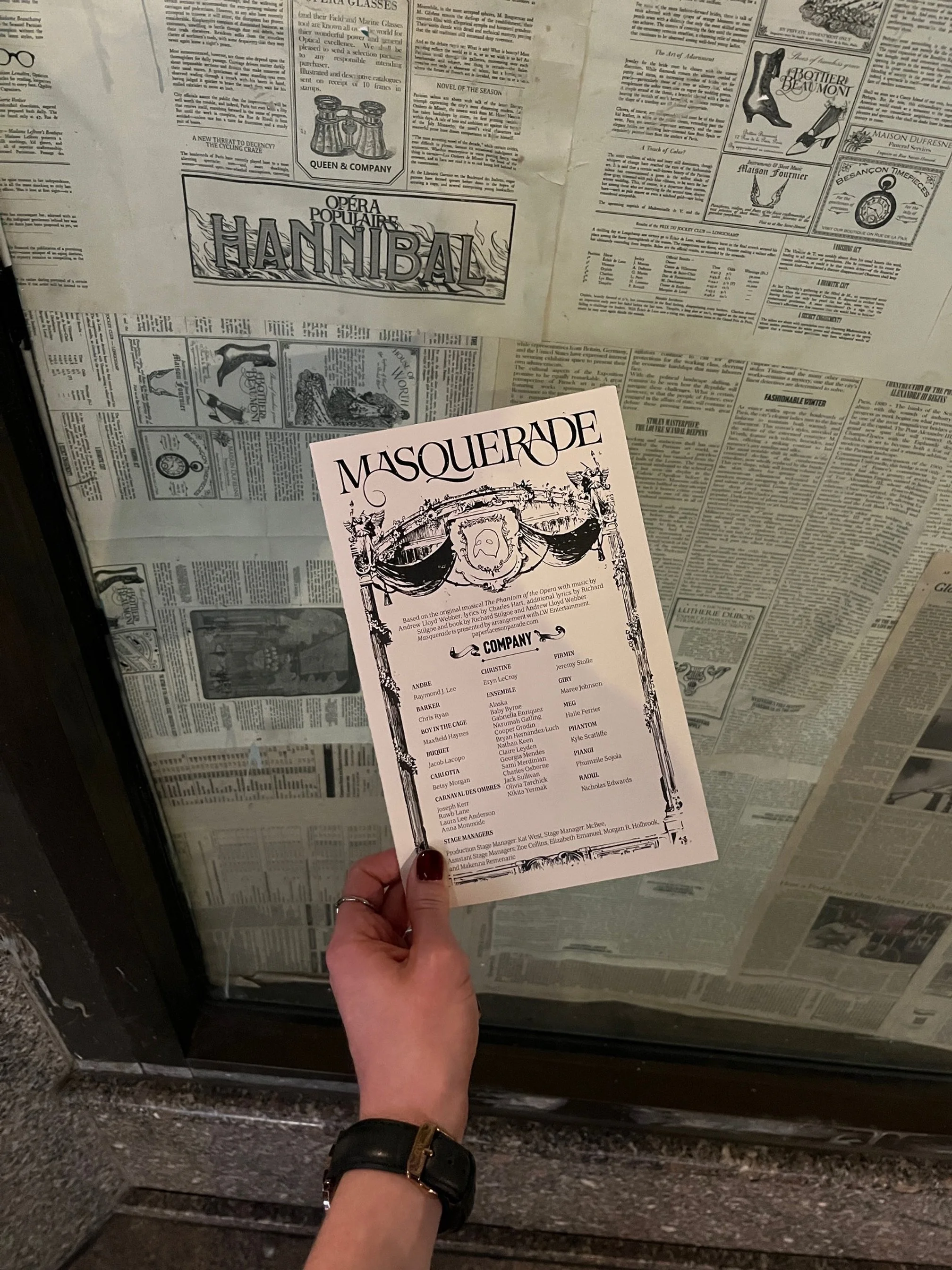
I was lucky enough to make the journey to New York City last October to witness the show for myself. After such an intense promotional campaign, the show had quite a reputation to live up to. I was thrilled that “Masquerade” exceeded all of my expectations, bringing me closer to “The Phantom of the Opera” story than any production before.