
Don’t Forget to K.I.S.S. Your Message Before It Goes!
I always assumed the acronym “KISS” (Keep it Simple, Stupid) came from a creative being too hard on themselves, as they are inclined to do. It actually came from Lockheed Martin aeronautical engineer Clarence “Kelly” Johnson, founder of the company’s tactical research and development division. KISS may have started around designing World War II-era jet fighters, but its message has been adopted by a lot of different fields, including marketing and communications.
The English language is a beautiful thing. So beautiful that it’s easy to stack juicy ten-cent words together, one after the other, to illustrate, illuminate, mitigate, profligate, obfuscate, reiterate, satiate…fun, right? For the writer, maybe. For the reader, superfluous words can work like a shrubbery maze, winding you around and around as you look for the end.
Concepts work the same way. Commercials have never looked better—cinema-quality special effects, beloved pop songs, attractive actors. They can breeze right by the senses. But when you think back to them…do you know what they were advertising? Inception is an amazing movie, but you need every minute of that two-plus-hour runtime to appreciate and understand it.
What better way to bring home “keep it simple” messaging than by showing a few that didn’t quite work?
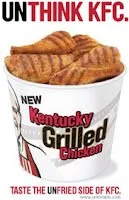
Kentucky Fried Chicken, or KFC, introduced grilled chicken to its menu in 2009 with the slogan “Unthink KFC.” It’s certainly simple, but…what does it mean, really? It’s assumed the message wanted consumers to look at KFC in a newer, more modern way, with food options beyond fried. Some franchise owners, however, took “unthink” as a negative, that the company was ashamed of its chicken-fried history. The campaign ended in May 2010.
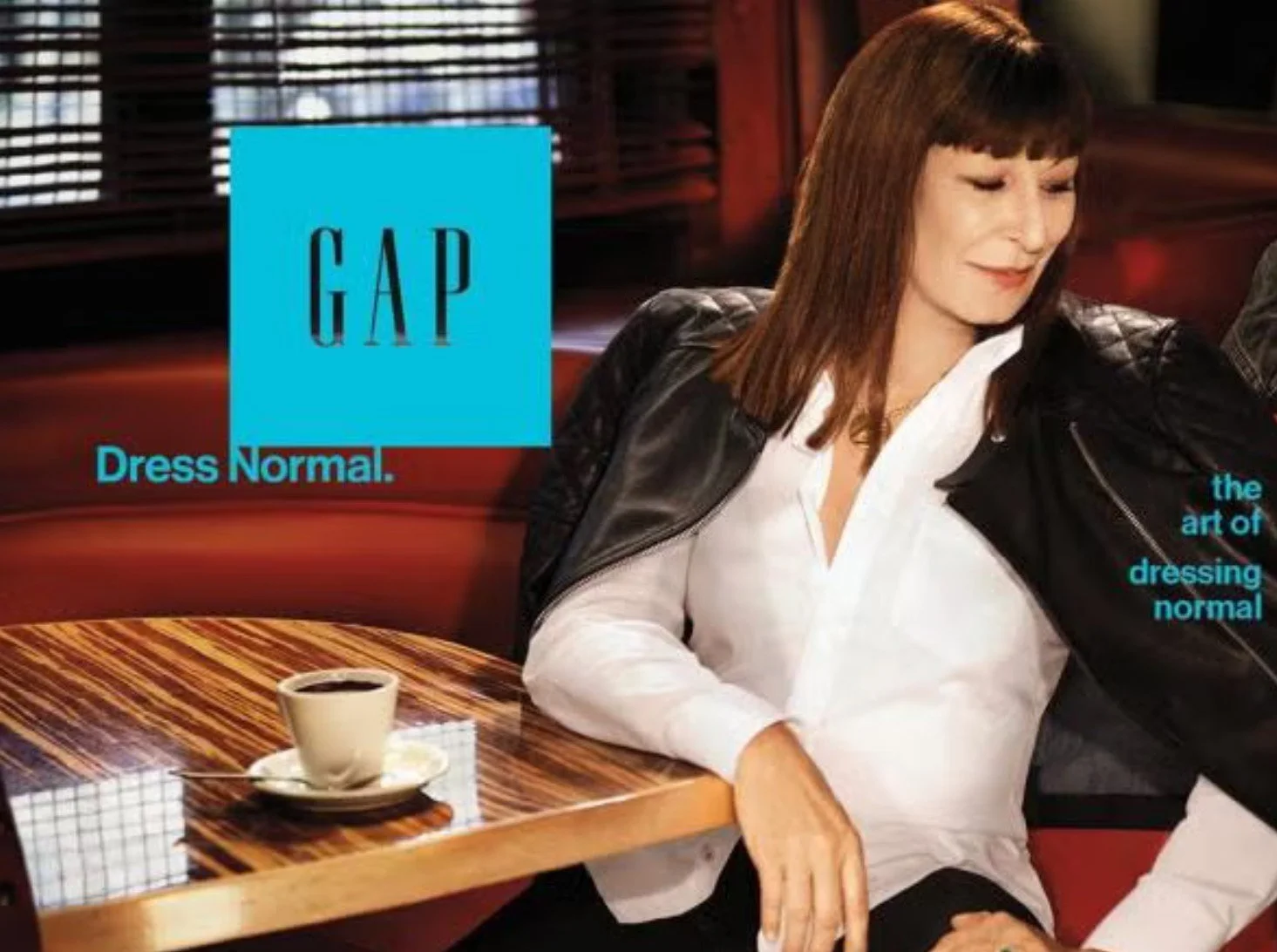
Gap’s “Dress Normal” campaign couldn’t have kept it simpler as far as wording goes. Celebrities were used, dressed in Gap attire, with the subliminal message that “normal” looks amazing. But that wasn’t the takeaway by consumers. After two months of the campaign, Gap sales went down, and Gap’s chief marketing officer left the company less than a year later. Yikes. One can surmise that while the language was simple, the message was muddled. “Dress Normal” wasn’t taken as a come-hither by consumers—it was more like a command they didn’t want to follow.
When it comes to marketing and advertising messages, an invisible alarm clock starts ticking as soon as the message begins. Thirty seconds of airtime. A fifteen-second PSA. A few seconds for a banner ad. Riiiiing! What did I just read? What did I just see?
The hard time limits of marketing shouldn’t be seen as creativity crushers. They’re just the price of admission. Once you get through the gate, there is so much room to move around and make the space your own. What words best sum up your product, while remaining understandable to the audience? What images catch the eye and tie to the product at the same time? This is the magic, the fun, the Rubik’s Cube challenge of creating messaging.
KISS is the last guideline to consider before you show your creation to the world. You’re proud of what you’ve done. It’s just like you imagined it in your head—better even. But when you step back and review it as a whole, does it make sense? Does it convey the message? That’s what keeping it simple means. It doesn’t mean making every creation basic and flavorless. It means not losing sight of what you want to accomplish.
Keep it Simple, Stupid (it still sounds so negative) is ultimately a contradiction. Frankly, it’s hard keeping something simple, which is why the phrase has lasted so long. It’s a challenge we never stop facing, whether we’re designing the airplane of tomorrow or writing ad copy.