
Work to Live, Don’t Live to Work: Why Healthy Work-Life Balance Benefits You and the Company You Work For
There’s a strange badge of honor in today’s world around being constantly available. Busy is celebrated. Burnout is normalized. And as remote work becomes more common, the lines between “working” and “living” can blur quickly.
I’ve learned over the years that maintaining a healthy work-life balance isn’t about working less. It’s about being intentional with your time, your energy, and your priorities.
I work hard. I care deeply about supporting my teammates and doing a good job. I’ll absolutely stay late to finish a project when needed or help solve a problem. But I also believe there has to be a boundary somewhere—because if work quietly takes over every corner of your life, eventually both your personal life and your professional performance suffer.
One of the biggest changes I made while working remotely was creating a clear separation between work hours and personal time. At the end of the workday, I physically shut my laptop down and roll my stand-up desk into a corner. That simple act matters more than people think. It signals that the workday is over, I've walked out of my “office,” and it helps prevent the temptation to “just check one more thing” all night long.
Another boundary I’ve intentionally created is keeping Slack off my phone. That surprises some people, but it works for me. I’m still accessible; everyone at LMD has my cell number in case of a real emergency. Removing constant notifications lets me actually be present in my life outside of work. Not every message needs an immediate response, and treating everything like an emergency creates unnecessary stress and distraction.
Protecting time during the workday is important, too. I’m a big believer in time-blocking my calendar for important tasks that require focus and uninterrupted attention. Deep work doesn’t happen in scattered five-minute increments between meetings and chat notifications. I also ask coworkers to put time on my calendar for anything longer than a quick conversation. I’m not trying to be difficult or unavailable; I'm simply respectful of everyone’s time and creating a structure that allows meaningful work to get done efficiently. It also allows me to give them unhurried, focused time.
Balance looks different for everyone. Some seasons of life require more work, and some projects demand extra effort. But a healthy balance comes from not making constant overwork your normal state of living.
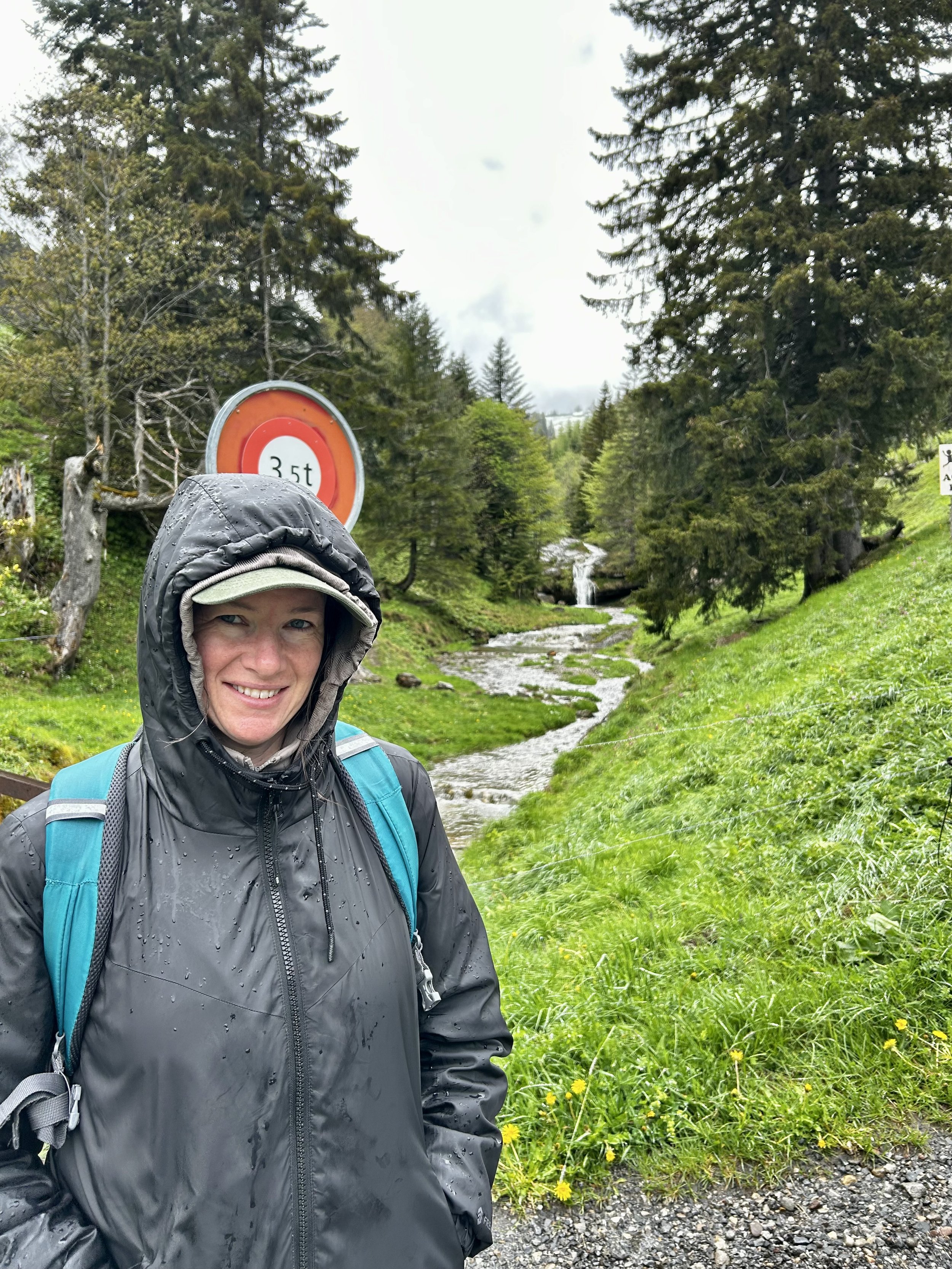
For me, life outside of work matters deeply. Time with family and friends matters. Adventures matter. Getting outside matters. Those experiences recharge me, ground me, and honestly make me better at my job. When people neglect every part of their life except work, they often end up exhausted, disconnected, and less productive in the long run.
A healthy work-life supports sustainability. Companies benefit from employees who are rested, focused, engaged, and fulfilled. And individuals deserve lives that include more than inboxes, deadlines, and notifications.



At the end of the day, work is an important part of life, but it shouldn’t consume all of it. Because the moments you’ll remember most probably won’t be another late-night email. They’ll be the people you spend time with, the places you explore, the memories you create, and the life you allow yourself to actually live.