

White Paper.
Building and Maintaining Trust in Your Organization with Website Content Audits and Governance
For most organizations, its website is its most important audience touch point. And for organizations to maintain their trust and good faith, a necessary part of transparency and responsiveness is online content that reflects the latest developments, policies, and resources.
Contents

Invest in High-Quality Content
Organizations that understand the importance of their audiences' trust prioritize maintaining current, relevant website content to fulfill their missions. Investing in high-quality content offers numerous benefits, including:
Fostering trust.
Relevant and accurate content builds trust and establishes your organization as an authoritative resource for important, helpful information and resources. Outdated, inaccurate information creates frustration and distrust and negatively impacts brand perception.

Compliance with legal
and regulatory standards.
Many organizations, particularly higher education and nonprofits, must adhere to various laws and regulations that mandate the publication of certain information. Keeping content up-to-date ensures compliance with these requirements, reduces the risk of legal repercussions, and enhances accountability.
Staying relevant to
your audience and their needs.
Policies, regulations, and individual and community needs evolve. Maintaining and managing your content demonstrates a commitment to serving your audience and addressing your audience's top-of-mind needs.

Large, complex websites can quickly become overloaded with outdated content, links that lead nowhere, and messages that don’t align with the current brand. Fixing this means undergoing a content audit, implementing the plan developed from the audit, and finally, creating a content governance plan to keep the site’s content current and accurate.
Take Stock of Your Website with a Content Audit

A comprehensive content audit will identify outdated and inaccurate content, readability, and usability issues, information gaps, and areas for improvement.
Define your objectives.
Determine what you want to achieve and what is possible in your time frame, budget, and capabilities. Are you writing entirely new site content or updating existing copy? Consider goals like content accuracy, user experience (UX), and what actions you ultimately want your user to take. Defining objectives will keep your audit on track and address your most critical questions.
Inventory existing content.
Take a complete inventory of all website pages, documents, and multimedia content. This inventory can be organized in a spreadsheet by categories, detailing the URL, content type, last updated date, and any notes on relevance or issues. This step provides a clear overview of what exists and what gaps must be addressed.

Gather user feedback.
It’s crucial to ask actual website users how they find the site's hierarchy, information, and messaging since the website exists to serve them. Surveys, interviews, or focus groups can provide valuable insights into what users find helpful or confusing. Engaging with your audience fosters a sense of involvement and may highlight areas of strength and weaknesses that the audit alone might miss. This part of the process may be conducted in parallel with the internal review of content, usability, accessibility, and metrics.
Evaluate content accuracy and relevance.
Review each piece of content for accuracy and relevance. Check for:
Current information, including facts, figures, and statistics.
Leadership changes or staff moves.
Broken links and outdated links that could frustrate users are fixed or removed.
Missing, incomplete, or incomplete information. User feedback will be helpful here.
Buried information–critical information that is several layers deep in the site.

Check for brand messaging alignment.
A website audit is a good time to make sure your messages are cohesive and unified across your organization. Your website's content messaging should align with your current brand messaging and communication initiatives.
Assess usability and accessibility.
Usability and accessibility are essential for all websites. Your website should be accessible, readable, and easily navigable for all users. Evaluate the website’s usability by considering the following:
Navigation: The site should be easy to navigate, and users should be able to find information quickly.
Accessibility and Adaptability: People might be navigating your site on screens of all sizes, with screen readers or closed captioning. Reviewing good website practices will help your website be robust and usable.
Load time: Many Americans do not have access to high-speed or reliable internet, making unoptimized pages with graphics and video difficult or impossible to use.
Analyze site metrics.
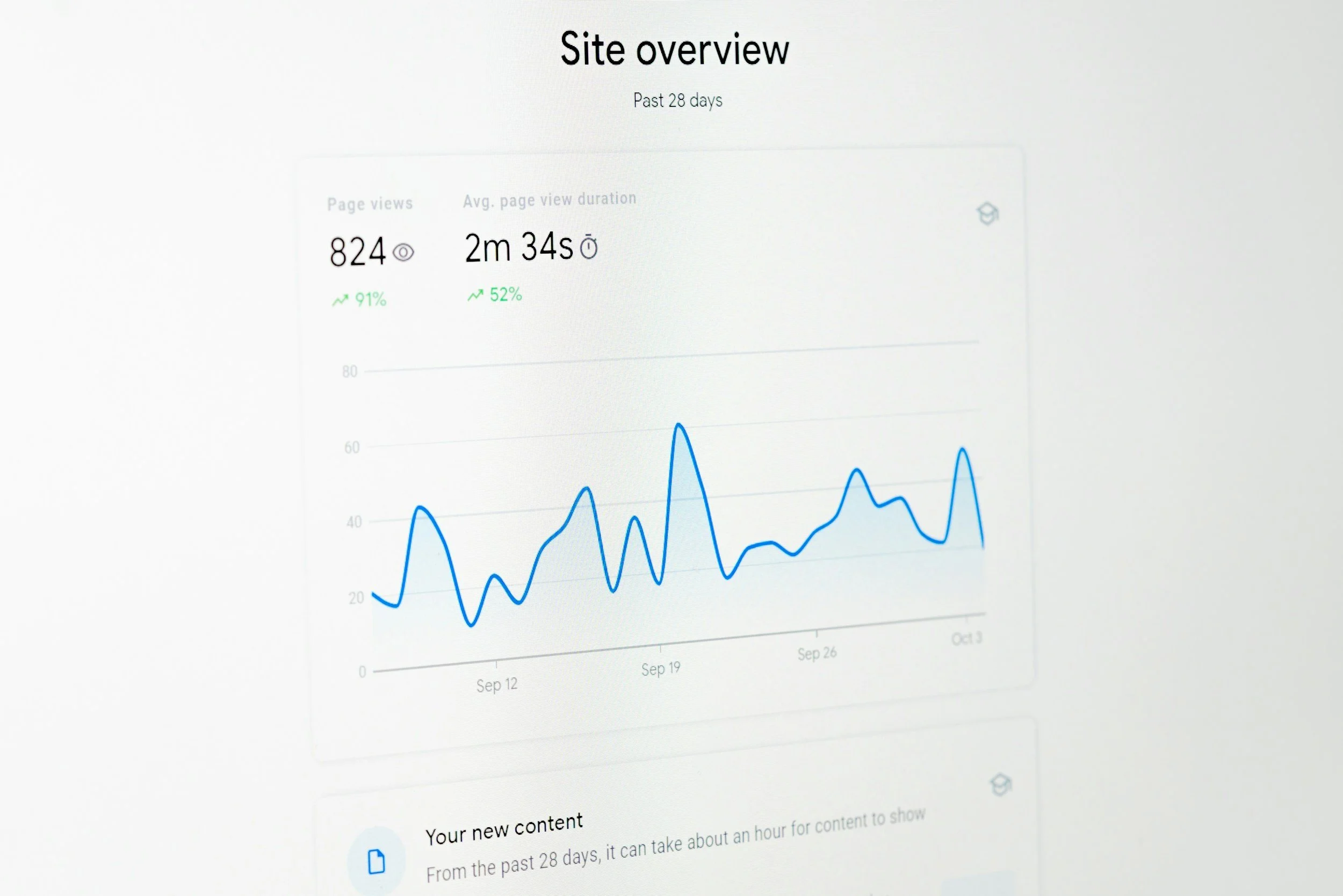
Use analytics tools to evaluate user engagement stats, such as:
Page views: Learn what information visitors are looking for and prioritize your pages with frequent visitors.
Bounce rates: Are users leaving the site quickly from specific pages? Are they getting frustrated and leaving at certain points while filling out forms?
User pathways: How users navigate the site can reveal what content they find most interesting and what navigation changes are needed to improve user flow.
Create an action plan.
Based on the findings, an action plan should be developed that prioritizes tasks based on impact and urgency. This plan should include identifying which content needs revision or removal and outlining changes required for navigation and accessibility.


What Should My Action Plan Include?
Your objectives and goals
Your tasks
Your timeline
Your team responsibilities
Your resources, including budget, tools, and training
A good project management platform will help you track all of the above efficiently.
Use Content Governance to Move Forward
Websites are like living organisms–they need ongoing care, or their performance will suffer.
A website's success isn’t determined when it’s launched–it’s determined by its ongoing management and governance.
With your website updated, developing a governance framework to manage it is crucial. Like maintaining a home, regularly addressing small fixes, updates, and additions will save money and time rather than letting them compound and addressing them when there are real issues down the line.
Your governance should address standard operating procedures, roles and responsibilities, and the resources necessary to maintain the site’s security accessibility, design, and content.
Essential elements of a strong governance framework include:
Approval workflows to define responsibilities and quality control, with contingencies to be sure someone’s unavailability doesn’t halt essential tasks.
Content guidelines, including style and editorial guidelines for quality control and consistency.
Analytics reviews to monitor website performance.
Content reviews to confirm that content is current and accurate.
Other Best Practices for Content Management
Engaging stakeholders with continuous dialogue can provide insights into the most relevant and necessary information. Establish feedback mechanisms to capture user experiences and suggestions, but beware of overusing them and frustrating users.
Update the most critical sections of the website first—such as services, announcements, and emergency information. Ensuring that this content is current will have the most significant impact on user engagement.
Communicating changes through various channels, including social media, newsletters, and press releases, lets users know when a site has been updated. This transparency builds trust and keeps your audience informed.