

White Paper.
Your Organization’s Blog: Why and How to Build it
It doesn’t matter what kind of organization you have—if you have a website, you’ll benefit from blogging. Generating consistent, organic content is the best way to reach and engage your audience online. One of the most effective strategies that businesses often overlook is starting and maintaining a blog.
Contents


Blogging doesn’t necessarily mean writing narrative content–it can be any organic, original content your organization regularly publishes that resonates with your audience. Podcasting, vlogging (video blogs), and written blogs all fall under this umbrella.
A BRAND IN EVERY INDUSTRY
-
Anthropologie’s blog sets fashion, lifestyle, and home improvement trends. Home Depot’s blog is a trusted source for DIY amateurs and construction professionals alike.
-
McGraw Hill’s blog is a valued resource for educators and administrators. Harvard Medical School’s blog covers the latest in health news for all knowledge levels.
-
PNC’s blog helps consumers manage their financial futures. American Express’ blog covers all aspects of owning a small business.
-
Slack’s blog focuses on team productivity, collaboration, and making the best use of Slack’s features and integrations. Adobe’s blog highlights creators who use its tools to make incredible art.
Blogging establishes your brand’s authority, demonstrates your organization’s or team’s expertise, and connects with your audience on a more personal level.
Blogging For Your Brand

Positions your organization as a thought leader.
Regularly publishing well-researched, informative, and engaging blog content helps solidify your reputation as an authority in your field and captures attention on the web and social media.
Gives your organization a strong voice.
Blogging helps define your brand’s unique voice and tone and communicates your organization's values, personality, and culture. Whether your brand is casual and friendly or professional and authoritative, your blog builds the feelings your audience has around it.
Lends your organization and brand credibility and builds trust.
Blogs provide useful information without the hard sell–they’re a source of solutions, answers to frequently asked questions, and tips and tricks with no price tag or strings attached. Over time, this trust translates into customer loyalty and brand credibility–and your audience comes to you first.

Blogging For Your Website
On the technical side, blogging can also significantly impact the performance of your website by:
Improving your search engine (SEO) rankings.
Search engines prioritize recently updated content in their rankings, with algorithms favoring current and helpful content. Blogs regularly add new content to your website with the keywords and phrases your target audience is searching for. And each new post gives search engines more pages to index, improving your website's visibility and ranking in search results.
Driving organic traffic.
Each blog post acts as a landing page that can attract organic traffic through searches, social media, and other sites linking your post. This means more opportunities to be found by users who are actively searching for the information (and therefore the services) you provide.
Increasing time-on-site and engagement.
Engaged users, like those reading a post or watching a video, have higher “dwell times.” The longer they stay to read your blog, the more likely they are to explore other areas of your website and share other content to boost your online presence.
Generating leads.
An effective blog strategy features calls to action (CTAs)–for example, “Contact us to learn more,” “View our product catalog,” or “Share this article on social media.” These CTAs allow you to capture leads directly from your blog content without spending on paid campaigns.
Blogging For Your Team
Blogging can also have a big impact on your organization’s people. Blogging for your team:

Encourages collaboration and creativity.
Good blog content requires sourcing from different departments to gather a range of expertise, topics, and viewpoints. This encourages cross-functional collaboration, strengthening relationships and your content. It also gives everyone a chance to flex their creative muscles.
Empowers employees as brand ambassadors.
Your team feels more invested in your brand when they feel they have a say, that their point of view is appreciated, and that they’re contributing to your organization in a way that is unique and valuable. And, they’ll likely share blog content with their networks, expanding your blog’s radius.
Builds engagement and morale.
When an organization is a respected thought leader and trendsetter, its people feel more connected to the company’s mission and vision. An organization that promotes its team’s ideas and voices raises motivation, morale, and pride.
Contributes to training and knowledge sharing.
Blogging is also a great resource internally for frequently asked questions, product updates, and industry trends so teams stay aligned and informed. It also helps new employees get up to speed faster by providing them with documented company knowledge that can be referenced at any time.
If you’re looking to build your organization’s brand, web presence, and culture, blogging is the way to go. While it may be an investment in time initially, once your blog has momentum, it becomes a simple, low-cost way to attract your audience.
Planning For Success
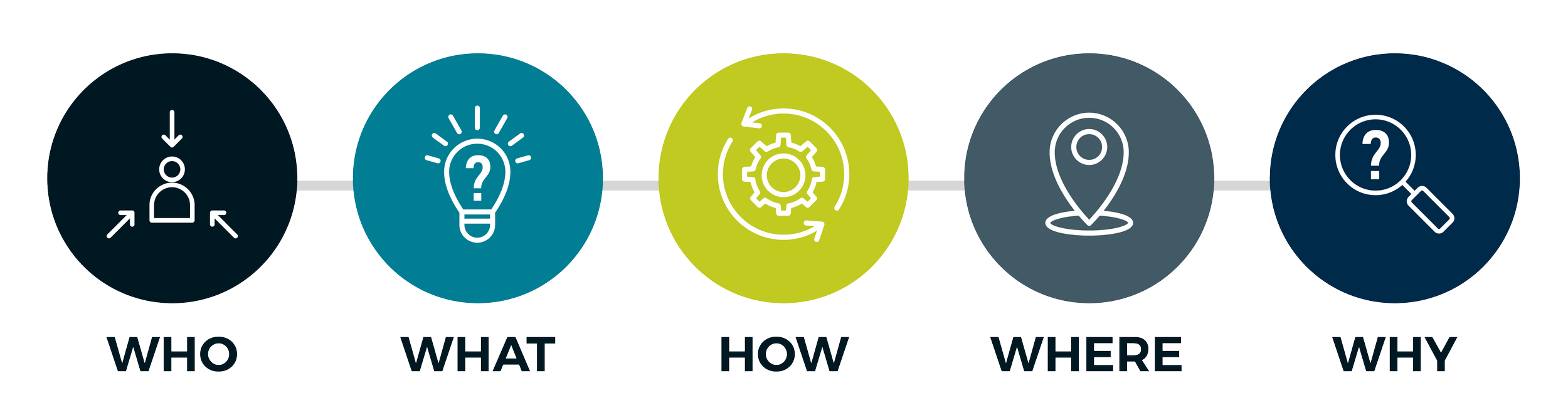
The best way to ensure a blog’s success is through planning. A plan ensures consistency, organizational buy-in, and minimal surprises along the way. In your plan, you’ll need to answer the who, what, how, where, and why of your blog.

WHO
An effective blog speaks to the needs, interests, and pain points of the target audience. Understanding the audience requires:
Demographics: Age, location, job role, industry, etc.
Challenges: What problems or pain points can the organization help solve through its content?
Content preferences: How does the audience prefer to consume content (e.g., written posts, videos, infographics)?
WHAT
An effective blog speaks to the needs, interests, and pain points of the target audience. Understanding the audience requires:
Product or service information, to learn about your organization’s capabilities. Spotify encourages users to make the most of their app with “5 Spotify Hacks Every Free User Needs To Know”.
Industry knowledge and information about your organization’s specialty. LMD has a top-notch research team and teaches you how to win with research in blogs like “How to Conduct a Competitive Analysis and Use It to Your Advantage”.
Lifestyle content, because it touches your organization’s mission. REI’s mission “to inspire, educate, and outfit for a lifetime of outdoor adventure and stewardship" is in every blog post, like “How to Make Sustainability Part of Your Running”.
Entertainment, because your brand’s unique voice is sought after. Duolingo has gone viral for its ridiculous videos and unique humor, and its blog is no different–like “How to Break Up With Someone in 10 Languages”.
It’s likely your blog will have a few (maybe all) of these “whats.” Choosing what to focus on will help you develop a consistent and coherent theme that will be central to your content strategy.
HOW
Creating a content strategy is critical to the long-term success of the blog. In the content strategy, you’ll want to describe:
Medium: Your blog doesn’t need to be solely focused on narrative content if that’s not what inspires you or engages your audience. Vlogs, podcasts, and infographics are all great options. The best blogs even mix media to keep things interesting, so don’t feel tied to one.
Topics: Your “what” (see above) will guide your topic selection. Having a ready list of topics planned out will help maintain flow, cohesion, and hitting your schedule. It’s best to vary your topics so your blog doesn’t become one-note or monotonous.
TIP: Stuck on topics? Some questions to ask:
What questions do we often get from our audience that we can answer?
What do we wish our audience knew?
What industry topics are trending?
What are we excited about?
What do we know and do better than everyone else?
Tone and voice: Your brand likely has an established tone and voice you’ll want to stay close to, but blogs are often like social media in that they are slightly more casual than other brand communications. Set your guidelines for this ahead of time.
TIP: If your team is contributing, let their individual voices shine through! Embrace a variety of writing styles and humor.
Publishing schedule: Develop a consistent posting schedule to keep the blog fresh and relevant. This helps to establish expectations with readers. Plan out at least your first 3-5 blogs (and ideally have the first few written and ready before you launch to give yourself a head start).
TIP: Start with a modest goal. You can always increase your blog’s frequency, but it’s better to focus on setting what’s achievable for your team and producing quality over quantity. Ideally, an active blog posts two to three times a month.
Publishing Process: The biggest place blogs fall apart is workflow. Your blog should have a project manager responsible for getting each post through the approval and publishing process and who supports them as a reviewer, editor, designer, and/or web developer.
WHERE
Your blog will likely live on your website. If you’re using a hosting service like WordPress, Squarespace, or Wix, you can add pre-built blogging capabilities. But where will you promote your blog? For peak visibility, share your posts on social media and encourage your staff to share them on their pages. You can also send them to your email list in a newsletter.
Measure and Adjust: Measure your blog’s effectiveness and popular topics with key performance indicators (KPIs) like:
Traffic metrics: Page views, unique visitors, and bounce rates.
Engagement metrics: Comments, social shares, and time spent on page.
Lead generation metrics: Number of leads generated through blog content, sign-ups, or downloads.
SEO performance: Search rankings and organic traffic growth.
Most hosting services have their own analytics, and tools like Google Analytics, SEMrush, and HubSpot can help.
Remember Your WHY
Establishing and managing a successful blog requires a clear strategy, consistent execution, and ongoing participation.
A blog is a powerful asset for driving business growth and strengthening relationships. Focusing on the “why”–what the audience is gaining, what the organization is gaining, and what your team is gaining–will keep momentum. No blog is without bumps in the road and learning curves, but the benefits are undeniable.
Looking for Support?
LMD has extensive experience building blogs for organizations. From lending support to the planning and implementation, to completely handling the execution, we can work with your team to make it easy. We’re here to help.